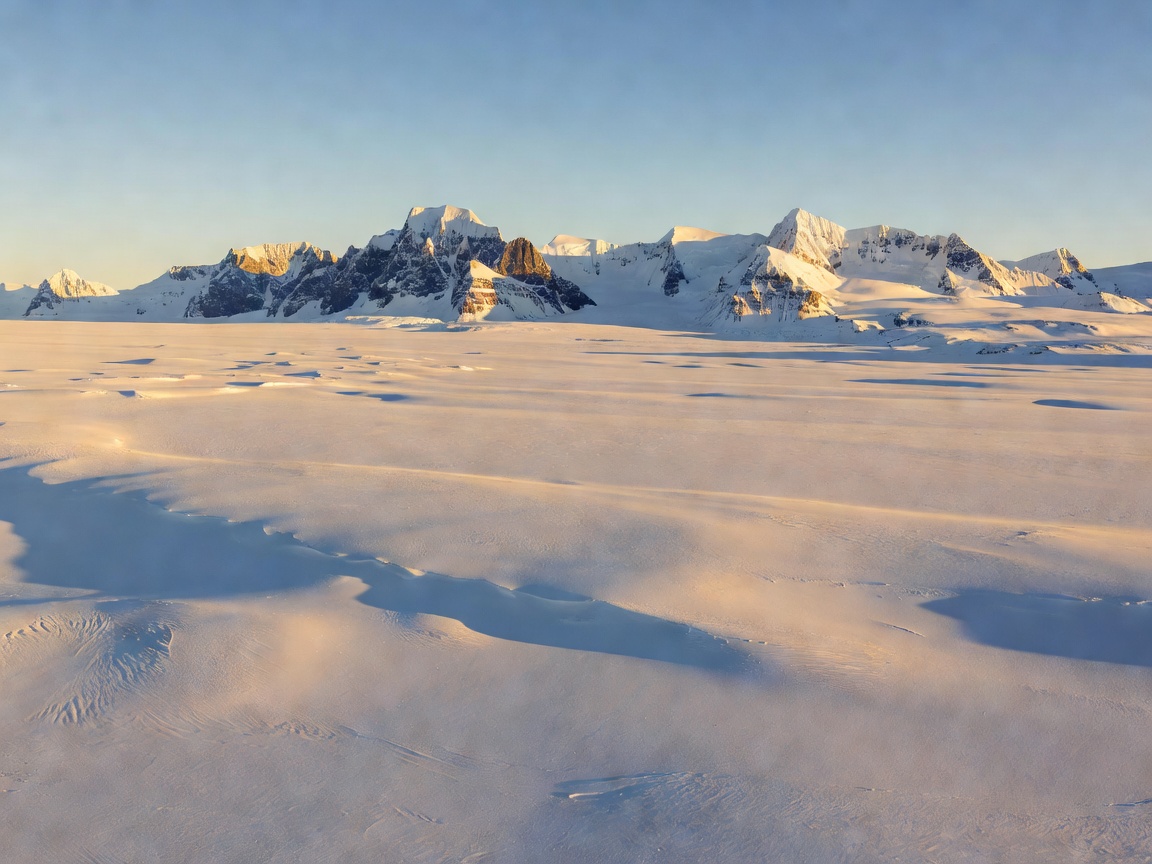
The Highest Inhabited Arctic Frontier
At 78 degrees North, the archipelago of Svalbard lies midway between the northern coast of Norway and the North Pole. Here, the Midnight Sun does not merely skim the horizon for a few weeks—it circles continuously overhead for more than four solid months (125 days). From April 20 until August 23, night ceases to exist.
Unique High-Arctic Summer Features
1. Glacier Kayaking at Midnight
In Isfjorden and Adventfjorden, sea kayakers paddle among drifting icebergs while fulmars and Arctic terns wheel overhead. Because there is no darkness, expedition teams operate on flexible schedules dictated by tidal currents and wind speeds rather than standard clock hours.
2. Tundra Flora Explosion
During the rapid 24-hour solar summer, the permafrost active layer thaws just enough to allow polar flora—such as the Svalbard poppy and purple saxifrage—to bloom in intense bursts, nourished by uninterrupted photosynthesis.
3. Polar Bear Safety Protocols
Traveling beyond the Longyearbyen town perimeter requires authorized rifle protection and flare guns due to polar bear habitats. Official safety regulations are governed strictly by the Governor of Svalbard (Sysselmesteren).
Practical Information for Svalbard Solstice Visitors
Commercial flights operate daily from Oslo (OSL) and Tromsø (TOS) to Longyearbyen Airport (LYR). While temperatures in July average between 4°C and 8°C (39°F – 46°F), windchill factors across the open fiords require thermal windproof layering. All hotels in Longyearbyen feature industrial blackout blinds to shield sleeping quarters from the unyielding Arctic solar disk.