The Biology of Melatonin Suppression
Human circadian rhythms are regulated primarily by the Suprachiasmatic Nucleus (SCN) inside the hypothalamus. The SCN receives direct photic signaling from intrinsically photosensitive retinal ganglion cells (ipRGCs), which are tuned sharply to blue wavelengths around 480 nanometers.
In mid-latitudes, natural sunset triggers the pineal gland to synthesize and release melatonin, signaling the body to decrease core body temperature and prepare for restorative slow-wave sleep. Under the Midnight Sun, constant ambient solar radiation keeps ipRGCs firing, suppressing natural melatonin synthesis and causing the common "midnight sun manic insomnia" reported by newcomers.
The 4-Step Expedition Sleep Protocol
1. Scheduled Photic Darkness at 21:00
Do not wait for darkness to tell you when to sleep. Exactly two hours before your target bedtime, put on amber blue-light filtering glasses (blocking 450–500nm light) or lower heavy blackout blinds in your tent or cabin.
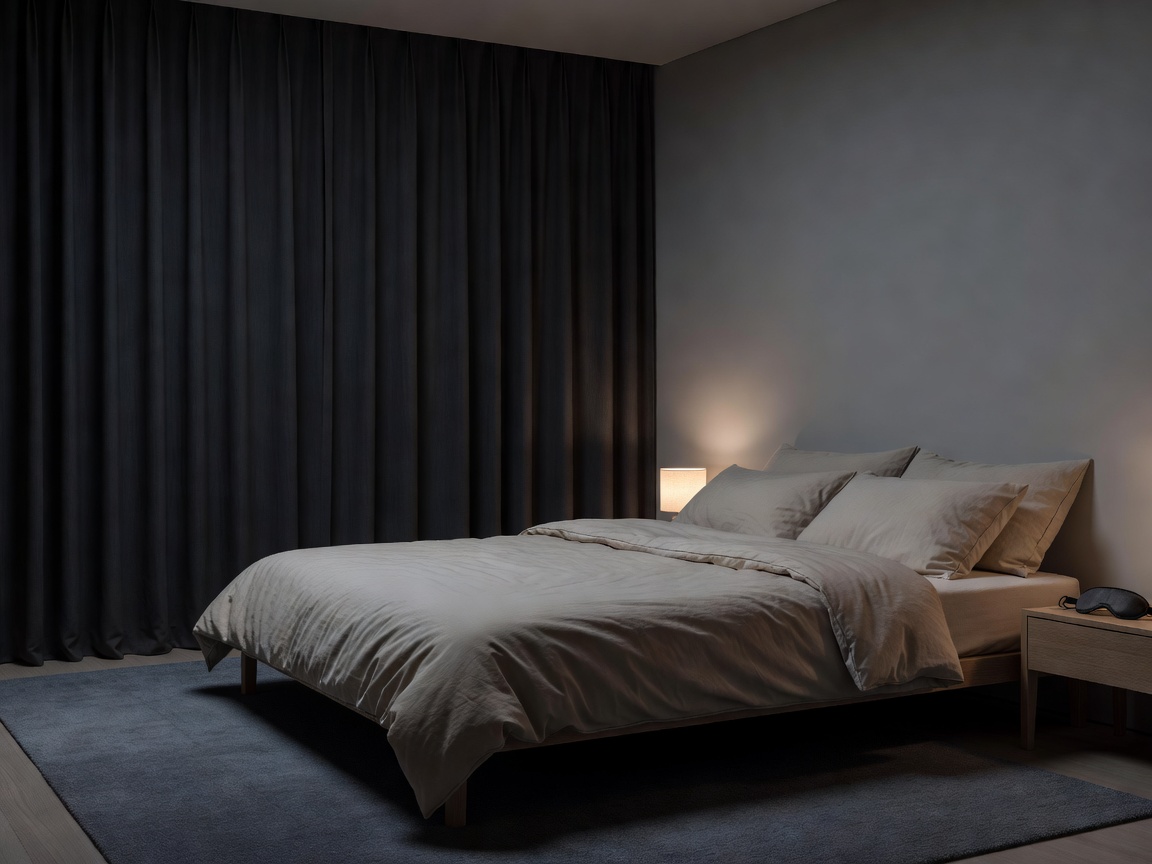
2. Absolute Room Blackout (>99% Lux Reduction)
Standard hotel curtains often leak solar illumination around side brackets. Use travel blackout clips, portable suction-cup travel shades, or a contoured memory-foam 3D eye mask that applies zero pressure to the eyelids while eliminating stray photons.
3. Core Body Temperature Manipulation
Because the sun warms accommodations through the night, use a fan or crack a subarctic window to maintain ambient sleep chamber temperatures between 15°C and 18°C (59°F–65°F). A brief warm shower 45 minutes before sleep causes vasodilation, cooling internal core temperature.
4. Anchor Your Wake Time with Immediate Sun Exposure
Set a strict alarm for the morning and step directly outside into the midnight-sun daylight within 15 minutes of waking. This sudden blast of full-spectrum light halts any residual melatonin, setting your internal 24-hour biological timer.